


How to Get Enough Vitamin D3 During Winter
Most people think of vitamin D as the "sunshine vitamin" because you can get it naturally through daily sun exposure. But when the weather changes, so does your body's main source of vitamin D. Discover what vitamin D3 is, why it is vital for overall health, and practical ways to maintain optimal levels year-round—rain or shine.
What Is Vitamin D3?
Vitamin D3, known as cholecalciferol, is a vital fat-soluble nutrient that supports numerous processes throughout your body. Your body can synthesize its own when exposed to ultraviolet B (UVB) sunlight, known as endogenous vitamin D3. You can also get cholecalciferol from external sources such as food and supplements. Whether it comes from sunlight or a capsule, it's the same molecule, and your body processes it the same way.
The standard daily intake for adults in the US is around 15 mcg (600 IU). A 25-hydroxyvitamin D blood test provides the most accurate measure of your overall levels from sunlight, food, and supplements combined. These measurements are expressed in nanomoles per liter (nmol/L) or nanograms per milliliter (ng/mL). For the majority of people, maintaining concentrations of 50 nmol/L (20 ng/mL) or higher is sufficient to promote overall wellness.
What Are the Health Benefits of Vitamin D3?
Vitamin D3 supports various aspects of your daily wellness including your bones, immune system, muscles, nerves, and mood.* Essential benefits include:
Strong Bones and Teeth
Vitamin D plays a key role in supporting bone structure and density by helping the body absorb calcium. That absorbed calcium helps signal osteoblasts, specialized bone-forming cells, to mineralize and strengthen bone tissue. To round out this process, vitamin D3 is often paired with Vitamin K2 to support bone health.* These two vitamins work in tandem — vitamin D3 promotes calcium absorption, while vitamin K2 activates essential proteins that bind calcium to bones.
Immune Support
As cold weather and flu season approach, vitamin D provides essential support for a healthy immune system.* Acting as a signal for immune cells, vitamin D helps stimulate and regulate anti-inflammatory responses to help the body fight off pathogens.
Muscle Function
Because muscle cells contain receptors that react to its active form, vitamin D directly contributes to muscle health. It assists muscle fibers in regulating the calcium necessary for contraction, and scientific studies connect it to the synthesis and repair of muscle tissue.
Mood and Energy
By supporting serotonin synthesis, vitamin D plays a vital role in maintaining a balanced mood.* Optimal serotonin levels contribute to sustained energy and a more positive mood.
Why Do Vitamin D Levels Drop in Winter?
During the colder months, reduced exposure to strong UVB sunlight often causes vitamin D levels to decline. Seasonal factors that limit sunlight access include:
- Reduced Daylight Hours: Shorter winter days significantly decrease opportunities for natural sun exposure.
- Increased Time Indoors: Staying inside to avoid cold temperatures restricts access to essential UVB rays.
- Cold-Weather Layers: Bundling up in heavy winter clothing leaves very little skin uncovered.
- Winter Conditions: Frequent cloud cover and rainfall present additional obstacles to absorbing direct sunlight.
Seasonality affects the amount of sunlight you get. For colder seasons, getting consistent sunlight may not be as easy. Due to seasonal shifts impacting sun exposure, maintaining consistent levels can be challenging in the winter.
Signs of a Vitamin D Deficiency
Low vitamin D often has no clear symptoms at first, which is why many people do not know their levels are low. When signs do show up, they can include:
- Low energy levels throughout the day.
- Mild discomfort during daily activities.
- Muscle weakness or cramps.
- Getting sick more often.
Since these general symptoms can stem from various factors, the most accurate method to confirm your status is through a 25-hydroxyvitamin D blood test. Please consult with your doctors to learn more about your vitamin D levels.
What is Vitamin K2 and How Does It Work with D3?
While Vitamin D3 helps your body absorb calcium efficiently, it needs a partner to ensure that calcium reaches the right places. That is where Vitamin K2 (menaquinone) comes in. Vitamin K2 activates essential proteins that direct calcium straight into your bones and teeth, supporting bone mineralization while helping keep calcium out of soft tissues like arteries.
When looking at Vitamin K2 supplements, you will often see MK-7 (menaquinone-7). MK-7 is a highly bioavailable, long-acting form of Vitamin K2 that stays active in the body longer to provide sustained support for bone health and vascular function.*
By pairing Vitamin D3 and Vitamin K2 together, you create a synergistic team: Vitamin D3 increases calcium absorption, and Vitamin K2 ensures that calcium is properly utilized where your body needs it most.*
Ways to Increase Your Vitamin D Levels Without Sunlight
While direct sunlight is the most natural way for your body to synthesize vitamin D3, getting sufficient sun exposure can be difficult during winter months, in colder climates, or for those with indoor lifestyles. You can consistently maintain vitamin D levels by utilizing supplements or a nutrient-rich diet.
Eat Vitamin D Rich Foods
Only a small number of foods naturally contain significant amounts of vitamin D, while others are routinely fortified. Nutritious food choices to incorporate into your meal plan include:
- Fatty Fish: Wild-caught fatty fish like salmon, mackerel, trout, and sardines are among the richest natural sources of vitamin D3.
- Egg Yolks: Whole eggs provide vitamin D primarily stored within the yolk, making them a simple everyday option.
- Fortified Foods: Many everyday items like cow’s milk, plant-based milk alternatives, orange juice, and breakfast cereals are fortified with vitamin D to help boost daily intake.
Add a Vitamin D3 Supplement to Your Routine
Integrating a daily vitamin D3 supplement is a reliable approach to maintaining consistent vitamin D levels. Selecting the ideal supplement can make a meaningful impact on your wellness routine. Options range from various potency levels, tailored to your specific needs and current baseline.
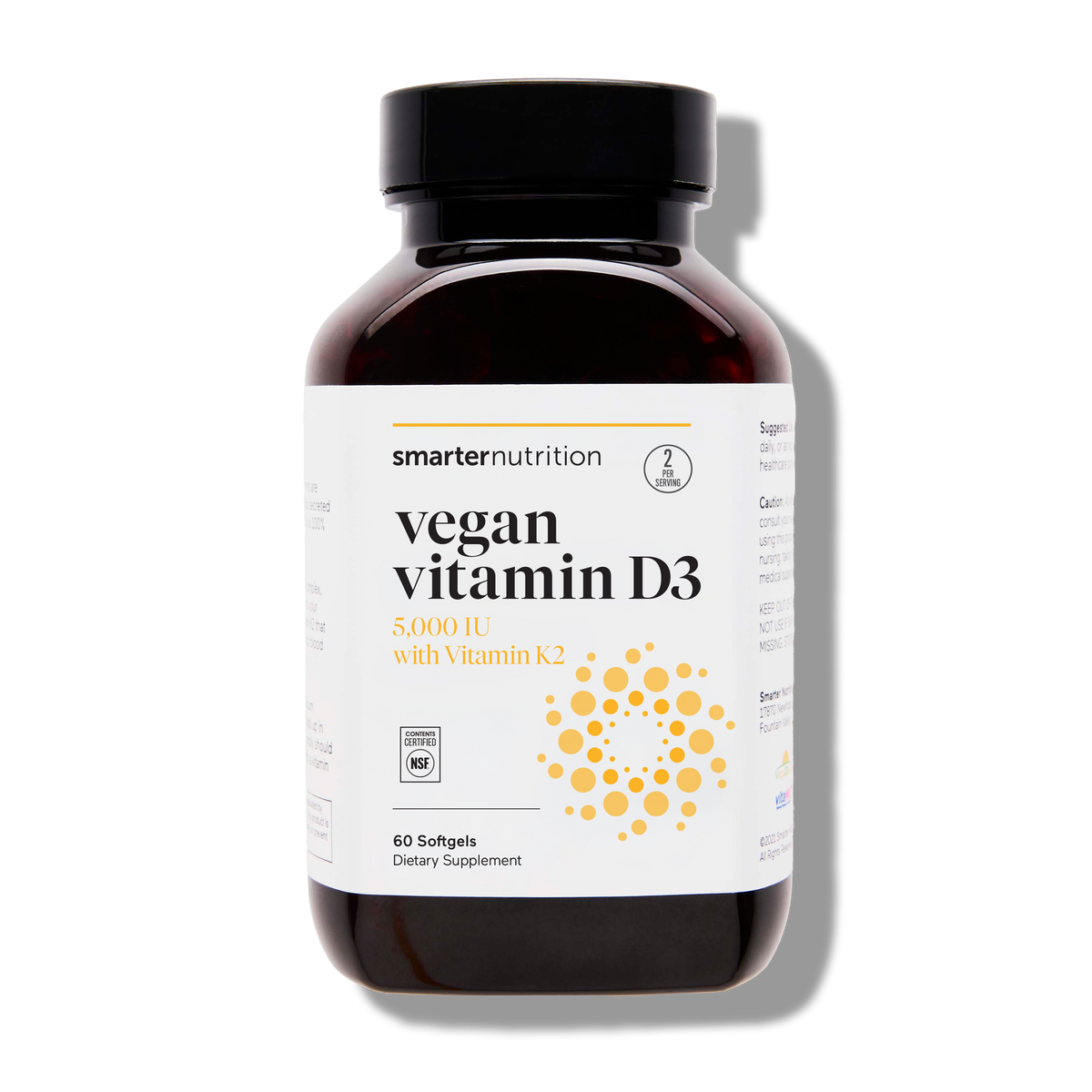
Smarter Vitamin D3 from Smarter Nutrition is a high-quality supplement designed for daily support. Each serving delivers 5,000 IU vitamin D3, enhanced with an 1,100 mcg vitamin K complex. This formula combines vitamin D3 and K2 to help your body absorb and utilize calcium effectively, encouraging overall bone density and strength.*
* These statements have not been evaluated by the Food and Drug Administration. This product is not intended to diagnose, treat, cure, or prevent any disease.
References:
- Biology Insights. (2026, January 9). How much vitamin D3 do you need for muscle growth? https://biologyinsights.com/how-much-vitamin-d3-do-you-need-for-muscle-growth/
- Bishop, E. L., Ismailova, A., Dimeloe, S., Hewison, M., & White, J. H. (2021). Vitamin D and immune regulation: Antibacterial, antiviral, anti-inflammatory. JBMR Plus, 5(1), e10405. https://doi.org/10.1002/jbm4.10405
- Dikshit, P. (2025). Vitamin D and vitamin K: Synergistic roles and emerging evidence for combined supplementation. Journal of Mid-Life Health, 16(4), 505–508. https://doi.org/10.4103/jmh.jmh_169_25
- Dominguez, L. J., Farruggia, M., Veronese, N., & Barbagallo, M. (2021). Vitamin D sources, metabolism, and deficiency: Available compounds and guidelines for its treatment. Metabolites, 11(4), 255. https://doi.org/10.3390/metabo11040255
- Harvard T.H. Chan School of Public Health. (2023). Calcium. The Nutrition Source. https://nutritionsource.hsph.harvard.edu/calcium/
- National Institutes of Health, Office of Dietary Supplements. (2022, November 8). Vitamin D: Fact sheet for consumers. https://ods.od.nih.gov/factsheets/VitaminD-Consumer/
- Raymond-Lezman, J. R., & Riskin, S. I. (2023). Benefits and risks of sun exposure to maintain adequate vitamin D levels. Cureus, 15(5), e38578. https://doi.org/10.7759/cureus.38578
- Reid, I. R., & Bolland, M. J. (2025). Calcium supplementation: Efficacy and safety. Current Osteoporosis Reports, 23(1), 8. https://doi.org/10.1007/s11914-025-00904-7
- Simes, D. C., Viegas, C. S. B., Araújo, N., & Marreiros, C. (2020). Vitamin K as a diet supplement with impact in human health: Current evidence in age-related diseases. Nutrients, 12(1), 138. https://doi.org/10.3390/nu12010138
- Tsugawa, N., & Shiraki, M. (2020). Vitamin K nutrition and bone health. Nutrients, 12(7), 1909. https://doi.org/10.3390/nu12071909
